
Microsuction earwax removal in the UK
Microsuction is a gentle, water-free method of earwax removal that uses a fine suction probe paired with a microscope or endoscope. Here's how it works, when it's the right choice, and what to ask before you book.
Find a microsuction practitioner near you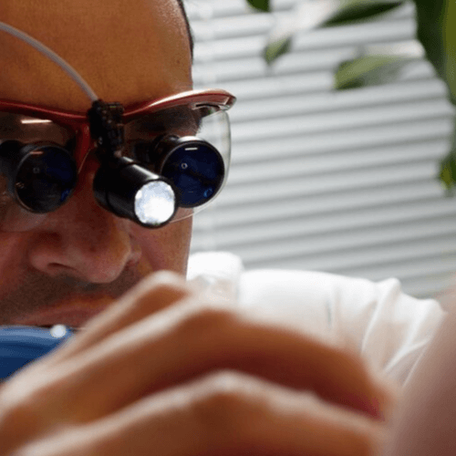
What microsuction is
Microsuction is the most common private method of earwax removal offered in the UK. The practitioner uses a small, low-pressure suction probe to lift wax from the ear canal, while looking down the canal through either a binocular microscope or a digital endoscope. The whole procedure is dry - no water enters the ear at any point.
The suction unit itself is similar to the small surgical aspirators used in dentistry and minor surgery. The tip that enters the ear is fine - usually 1.5mm to 2.5mm across - and the suction strength is controlled at the machine, so the practitioner can adjust it to suit your canal and the type of wax. The microscope or endoscope gives the practitioner a magnified view of the canal and eardrum, which is why microsuction is sometimes called "vision-guided" wax removal.
Microsuction's main practical advantage over irrigation is that it can be used safely in ears where water entry would be a problem - after a recent perforation, with grommets in place, or where there has been a recent infection. It is also useful where the wax is positioned close to the eardrum, because the practitioner can see exactly what they are doing throughout.
For context on the other methods practitioners may also offer, see our overview of all three earwax removal methods.
How a microsuction appointment works
A typical microsuction appointment takes 15 to 30 minutes, depending on how much wax is present and whether both ears need treating. The structure is consistent across most clinics.
Examination and discussion
The practitioner examines your ears with an otoscope, asks about any ear history (previous surgery, perforation, infections, grommets), and explains what they intend to do. If you have used softening drops in advance, they will check whether the wax has loosened enough.
Positioning and equipment setup
You sit upright in a clinical chair. The practitioner positions the microscope or endoscope and turns on the suction unit. You will hear the unit running quietly throughout - this is normal.
The procedure
The practitioner introduces the suction tip into the canal and works the wax out in small sections. The suction makes a vacuum-style sound while in the ear, which is louder than the room-level whirr of the unit. Most patients adjust within a few seconds. The practitioner pauses regularly to re-examine the canal and check progress.
Post-procedure check
Once the canal is clear, the practitioner examines the eardrum and the canal walls. They will tell you what they have seen and flag anything that should be followed up - for example, signs of an old perforation, an infection in progress, or a polyp that needs medical review.
When microsuction is the right choice
Microsuction is the most broadly suitable of the three methods. It handles the majority of wax types and is generally the first method to consider when water entry into the ear is undesirable or unsafe. Practitioners typically recommend microsuction in the following situations:
- You have a history of eardrum perforation, even if the perforation has healed
- You have grommets in place
- You have had a recent ear infection or a discharging ear
- The wax is positioned close to the eardrum and a direct view is important
- You have used softening drops and the wax has not fully cleared on its own
- You have had previous ear surgery, including mastoid surgery
- You simply prefer a dry procedure
When another method may be a better choice
Microsuction is not always the answer. There are situations where ear irrigation or manual removal will give a better result:
- Very dry, impacted wax that the probe cannot dislodge alone - manual removal with instruments, or a course of softening drops followed by a second appointment, is often more effective
- Softer wax in a healthy canal where the patient prefers irrigation - both methods are safe in this scenario and irrigation can feel less intrusive
- Patients who find the suction noise distressing - although the sound usually settles within seconds, some patients prefer to avoid it altogether
A practitioner trained in more than one method can switch during the appointment if needed. This is one of the practical reasons to look for a clinic that offers a combination of methods rather than a single method only.
Verify a practitioner via these UK registers and professional bodies


Each clinic profile shows you which register or professional body the listed practitioner is on.
CQC registration is required for any clinic offering earwax removal to people under 19, outside of a school or academy setting.
The icons above are non-official verification marks. They do not imply endorsement by any regulator or professional body.
What training the practitioner should have
Microsuction is taught as a separate skill on top of a practitioner's underlying clinical qualification. Most reputable training courses last between one and three days and cover anatomy, otoscopy, technique on a clinical model, supervised live cases, and contraindications. After the formal course, practitioners typically build up experience through observed sessions before working solo.
What you should look for from a microsuction practitioner is therefore three things in combination: an underlying clinical qualification, a documented microsuction training certificate, and ongoing indemnity cover. In some clinics the practitioner will be working under supervision; in others they will be the supervising clinician. Either is fine, provided you can see what is in place.
The wider question of which professional registers carry weight in the UK earwax removal market - and what to do when a practitioner is not on one - is covered on our dedicated page on who can remove earwax.
What to expect: comfort, safety, recovery
Most patients find microsuction comfortable and uneventful. The most commonly noted sensation is the loud vacuum-like sound when the suction tip is in the canal, which startles some people briefly until they realise it is normal. The procedure itself is generally painless, although there can be brief sharp sensations if a piece of wax pulls a hair on the canal wall as it lifts.
The risks of microsuction performed by a trained practitioner are small. Recognised possible complications include temporary noise-induced tinnitus from the suction sound, minor dizziness if the cold tip stimulates the inner ear briefly, superficial grazes to the canal lining, and - very rarely - eardrum perforation. A trained practitioner working under direct vision will see complications developing and stop, which is the main reason direct vision matters.
After the procedure, most patients can go straight back to normal activities. There is no swimming restriction unless the practitioner identifies a specific reason. If you have used softening drops, you may notice your hearing is slightly different for a few hours as the ear adjusts.
Frequently asked questions
Does microsuction hurt?
Most patients describe microsuction as uncomfortable rather than painful. The main sensation is the loud vacuum-style sound when the suction tip is in the canal. Some patients feel a brief pull if a piece of wax catches a hair, but this resolves immediately. If you find the procedure painful at any point, tell the practitioner straight away - they should stop and reassess.
Is microsuction safe if I have grommets or a history of perforation?
Yes. Microsuction is the preferred method in both situations because no water enters the ear. The practitioner will examine the ear first to confirm the grommet is in place and intact, or to assess the state of any previous perforation. They may decline to proceed if they have concerns - which is the right call to make if the eardrum is at risk.
How long does a microsuction appointment take?
Most appointments take 15 to 30 minutes total, including examination, the procedure itself, and the post-procedure check. Heavy or impacted wax can take longer, particularly if both ears are being treated.
How loud is microsuction?
The suction tip generates a loud vacuum-like sound when it is in the ear canal, which most patients find startling for a second or two before adjusting. The unit itself runs quietly in the background. A handful of patients are particularly sensitive to the sound, and for these patients ear irrigation may be a more comfortable choice.
Do I need to use ear drops before microsuction?
Most clinics recommend a short course of olive oil or pharmacy-bought softening drops for two to three days before the appointment, especially if the wax is firm. Softened wax is easier and quicker to remove, and the result is more reliable. Some practitioners prefer to assess the wax first and decide from there. The clinic will tell you what they prefer when you book.
Find a microsuction practitioner near you
Each listing on our directory shows which methods the practitioner offers and what training they hold. Search by postcode to see who is available locally.
Find a clinicReferences
- National Institute for Health and Care Excellence (NICE). Hearing loss in adults: assessment and management. NG98, 2018.
- National Institute for Health and Care Excellence (NICE). Earwax: Clinical Knowledge Summary.
- ENT UK. Clinical guidance on the management of ear wax in primary care, 2024.